
Comprehensive care for your overall wellness.
You deserve a healthy, beautiful smile - the team at Suwanee Dental Care provides personalized care solutions to help you get the smile you've always wanted.
Schedule with Us
We’re proud to serve Suwanee and our local community. Visit us at 4355 Suwanee Dam Road, .
New Patient
Your First Visit
Finding a new dental office can often be a challenge. We are here to help. Learn more about what to expect from your first visit to our dental office.
What to expectQuick Links
New Patient PaperworkAppointment FAQsPayment OptionsHave additional questions? Call us at (770) 614-7300
Why Choose Suwanee Dental Care:
We're experienced
At Suwanee Dental Care, we provide life-enhancing dental care solutions in Suwanee. Patients choose us for our proven reputation, expertise, and commitment to using the most up to date techniques and technology.
We put patients first
Oral health care is a partnership. We take the time to get to know our patients, understand their needs and goals, and create treatment plans tailored to their lifestyles.
We provide comprehensive care
Our skilled team is trained to not only treat patients but also to identify the root of the cause of symptoms so we can help you get your healthiest smile ever and set you up for great long-term oral health.
We are dependable
Our compassionate team is dedicated to delivering the highest standard of care and will ensure you feel comfortable and confident about your care each step of the way.
"'Everything Under One Roof' - we rarely have to refer patients out for treatment!"
Meet the team
MEET THE DOCTOR
Richard S. Schalk, DMD
Dr. Schalk is a member of the American Dental Association, the Georgia Dental Association, and the Hinman Society.
Since becoming a father to the two most amazing children, Madden and Adelaide, with his beautiful wife, Sidney, most of Dr. Schalk’s hobbies have focused on spending time and traveling with his family. When time and babysitters allow, he enjoys going to films, music festivals, and sporting events. Go Dawgs!
Meet the teamMeet the team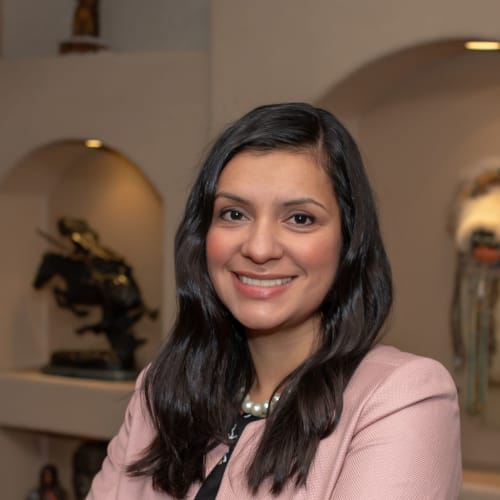
MEET THE DOCTOR
Claudia M. Kremer, DMD
Dr. Kremer is a member of the Hinman Society.
Outside of the office, Dr. Kremer enjoys spending time with her husband, Travis, and their two kids, Liam and Hannah. They love traveling to the mountains, Disney World, and the beach as often as they can.
Meet the teamMeet the team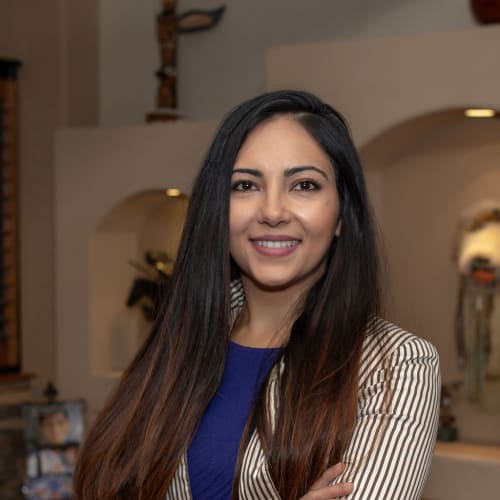
MEET THE DOCTOR
Naghmeh Majdi, DMD
In addition to spending time with family and friends, Dr. Majdi enjoys cooking, exercising and painting. She and her husband have a baby girl, Paris, and a 16-year-old terrier, Tohneh.
Meet the teamMeet the team
MEET THE DOCTOR
Chandni Patel, DMD
Dr. Patel is a member of several professional dental organizations including the Georgia Dental Association, the Georgia Indian Dental Association, the American Dental Association, and the Academy of Laser Dentistry.
Outside of dentistry, Dr. Patel enjoys traveling, hiking, spending time with her friends and family, cheering on Atlanta sports teams (Go Atlanta United FC!), and trying out new restaurants. She is a self-proclaimed foodie and swears she has the “biggest sweet tooth ever.”
Meet the teamOUR SERVICES
Quality, comfortable care.
Whether you need preventative care or want to correct your smile with cosmetic dentistry services, we are here to help you achieve your smile goals.
Dental Implants
Renew your smile with dental implants.
Dental Anxiety
We use several methods for alleviating dental anxiety and are here to make your visit as comfortable and pain-free as possible.
Cosmetic Dentistry
Whether you need implants, Invisalign, or another service, we'll partner with you to create a beautiful smile you'll love.
OUR SERVICES
Everything you need for a healthy smile.
See all the dental services we can provide for you.
Explore our services